Transmission Fluid: How it Works, Maintenance, and More
The transmission is one of your vehicle’s most important components and one of the most expensive to replace if it fails. In some cases, replacing a transmission can cost thousands of dollars, which may well be more than the vehicle is currently worth!
Proper maintenance and care will reduce your chances of needing to look for expensive transmission repair near Grayson. This includes regularly monitoring and changing the transmission fluid. This guide looks at what transmission fluid does, when to replace it, how to check the fluid, and other things you should know about this vital lubricant.
What Is Transmission Fluid?
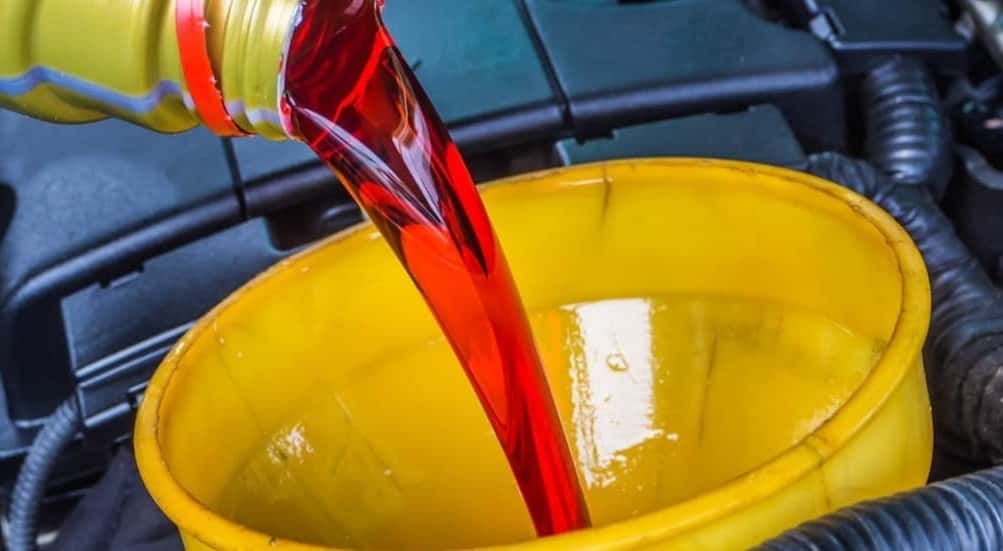
Just like motor oil protects your engine and helps it run the best, transmission fluid does the same for your transmission. Also known as gear oil, this specialized lubricant reduces friction, helps cool internal parts, and prevents dirt and deposit buildup. In the case of automatic transmissions, the fluid also provides hydraulic pressure so gears shift properly. Using the correct fluid and changing it regularly ensures the best, longest-lasting transmission performance.
Types of Transmission Fluid
When you go to a parts store near Grayson, you’re likely to see dozens of transmission fluids on the shelves. However, most can be divided into five main categories.
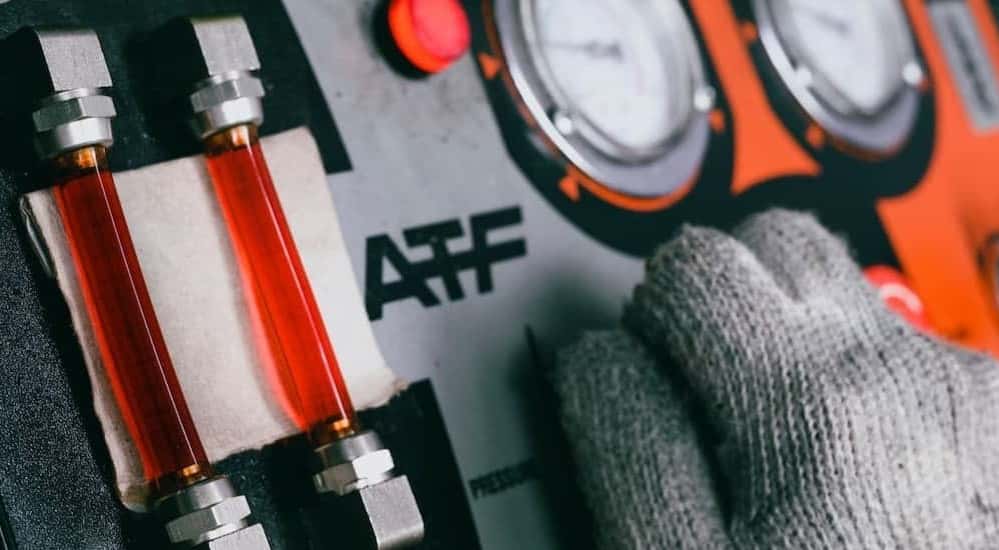
- Automatic Transmission Fluid (ATF): Because of its hydraulic and cooling properties, and to improve fuel economy, ATF tends to be thinner than other transmission fluids.
- CVT Fluid: This fluid is formulated with unique friction-reducing properties to protect the belt, which allows for infinite gear ratios.
- Manual Transmission Fluid (MTF): This is thicker than ATF or CVT fluid, and better coats and lubricates high-friction parts.
- Conventional Fluid: Traditional transmission fluid is made from crude mineral oils. It’s a cheaper option that usually works in older vehicles.
- Synthetic Fluid: Modern transmission fluid contains more additives and is more refined to remove impurities. This improves the performance, stability, sludge removal, and durability.
Within these categories, many transmission fluid grades have been developed, and auto manufacturers almost always have proprietary formulas. For example, most Ford automatic transmissions use Mercon ULV, GM transmissions use Dexron ULV, and Stellantis transmissions use Mopar ATF+4. Regardless of the type and formula, transmission fluid is usually pink or bright red.
You should always use the manufacturer’s transmission fluid or an approved alternative. If you put the wrong fluid in, it’s likely to damage the transmission, and it will also void the warranty for any resulting damage. Your owner’s manual will say which transmission fluid to use.
How Often Should You Replace Transmission Fluid?
The exact maintenance schedule depends on many factors, including the type of transmission, the vehicle, and the conditions you drive in. Your owner’s manual will usually list the specific transmission fluid change schedule. If you don’t have the manual or it doesn’t provide a schedule, here’s a general guide to follow.
- Automatic transmissions: 60,000 to 90,000 miles
- CVTs and manual transmissions: 30,000 to 60,000 miles
If you frequently drive in severe conditions, replace the transmission fluid twice as often. These conditions include stop-and-go downtown Grayson driving, short trips, longer trips at speeds below 50 mph, towing, temperatures above 90 degrees, steep hills, and dirt roads. One AAA study found that 62% of drivers should be following the “severe conditions” maintenance schedule! Also, err on the low end of the mileage range as the transmission gets older.
Although you can change transmission fluid yourself, bringing it to a reputable automotive service center like ours is almost always the best option. Our certified technicians will know the correct fluid for your vehicle, and we have the necessary tools and experience. Our work is also backed by a warranty, and we’ll be able to properly dispose of this hazardous material.
How Much Does Transmission Fluid Replacement Cost?
Depending on your vehicle and the type of fluid change you’re getting, this service can cost around $100 to $400, including parts and labor. It might seem like a lot—but it’s also a lot less than a new transmission!
Grayson drivers can choose between a drain-and-fill and a transmission flush. A drain-and-fill is when a mechanic drains the transmission pan, replaces the filter, and tops off the fluid. This faster, less expensive option is sufficient if you have a newer transmission without any known problems.
A transmission flush removes all the fluid and cleans the transmission system before refilling it. You should consider this if you’ve gone longer between changes, have an older transmission, or have been experiencing fluid-related issues.
Signs You Need to Replace the Transmission Fluid
Along with following the maintenance schedule, you should get the fluid changed at the first sign of trouble. Visually, your fluid must be replaced immediately if it is dark in color, is dirty, contains foam and debris, or smells burnt.
Bad transmission fluid may also cause performance problems. For example, old and dirty fluid doesn’t hold as much hydraulic pressure or lubricate as well, so your transmission may shift roughly, not generate as much power, or start slipping.
Whirring, roaring, and grinding noises, along with vibrations, are some other bad signs. Some modern vehicles have a code that pops up on the instrument panel when it’s time to change the fluid or the system senses something amiss.
Be aware that some of these symptoms may indicate a larger transmission problem or lead to damage if they aren’t addressed promptly. This makes it even more crucial to visit our service center at the first sign of trouble.
How to Check Transmission Fluid
Inspecting your transmission fluid will give you a heads-up if the fluid is low or if there are developing problems. Unless there’s an obvious issue, checking the fluid alongside other maintenance tasks (such as changing the oil or the air filter) is sufficient.
Some modern vehicles have sealed transmissions that either automatically check fluid levels or can only be checked by a technician. However, if the transmission has a dipstick—which is usually located under the hood near the back of the engine—you can check the fluid yourself.
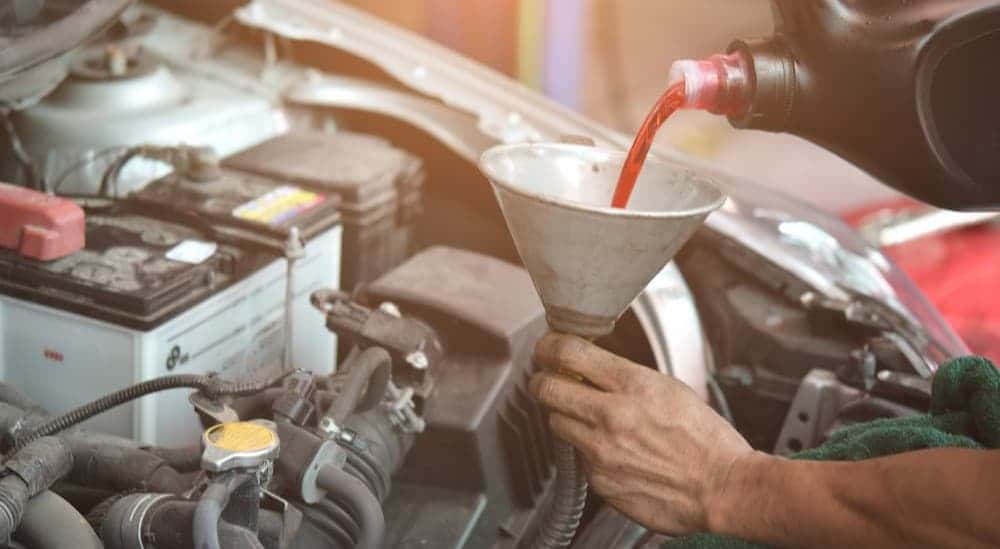
First, prepare the fluid by parking the vehicle on a level surface and letting the engine run for a few minutes to warm up. Remove the dipstick, wipe it clean with a paper towel or microfiber cloth, then reinsert the dipstick and remove it again.
Confirm that the top of the fluid line is between the “high” and “low” markings and smells normal. Then, look at the fluid in the reservoir to verify that it is a bright color and does not contain any obvious dirt or debris.
Get Your Transmission Serviced at Loganville Ford
Good transmission care is a requirement for anyone who wants to maintain their vehicle’s performance, longevity, and resale value while minimizing repair costs. It doesn’t take much to be certain your transmission fluid is in good shape—but a little goes a long way.
If you’re due for a transmission fluid change or suspect a problem, bring your vehicle to Loganville Ford. Our experienced technicians service transmissions for all vehicle makes and models, even if you didn’t purchase your vehicle from us. With high-quality service, convenient hours, competitive pricing, and online appointment scheduling, Grayson drivers trust us for transmission maintenance and repairs.
0 comment(s) so far on Transmission Fluid: How it Works, Maintenance, and More