
Keep Your Engine Cool: Radiator Repair Basics
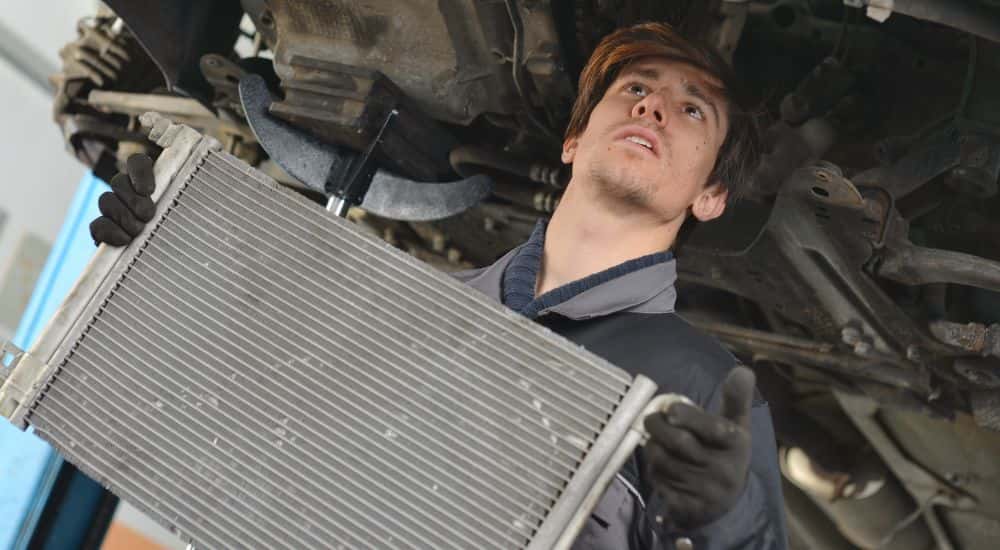
It usually starts small and subtly, like a temperature gauge that creeps higher than usual, a puddle of brightly colored fluid under the front of your car, a faintly sweet smell, or white smoke emitting from the exhaust. That sweet aroma isn’t part of the Georgia landscape, but a sign that always leads to a search for reliable car radiator repair near Lawrenceville.
Your car is exposed to Georgia’s highs and lows, from summer heat waves and brisk winter mornings to busy highways and heavy stop-and-go traffic. These conditions put significant strain on your vehicle’s engine, especially the radiator. This vital component protects your engine from extreme heat, making it essential to regularly inspect and maintain it.
As your full-service automotive center, we’re here to partner with you. Here’s a closer look at what the radiator does and how you can tell when it’s time for service or repairs.
Radiator 101: What It Does and Why It’s Critical
Once you press the ignition button or turn the key, your engine’s many moving components work together to power your vehicle, moving it from point A to point B. This process generates intense heat, which isn’t exactly ideal for your engine. While oil lubricates the engine’s moving parts to reduce friction and prevent overheating, it isn’t enough to maintain the engine’s ideal operating temperature.
The Basic Operation
The radiator is the heart of your vehicle’s cooling system. It serves as a heat exchanger, transferring heat from one area to another to keep the engine temperature within a safe operating range. So, how does it make this exchange?
The radiator assembly sits behind your vehicle’s front grille and consists of many components, including fins, tubes, a pressure cap, and a fan. When the temperature gauge at the front of the engine detects excessive heat, coolant flows through the engine, absorbing the heat and returning to the radiator. As it passes through the tubes and fins, air flows across the radiator, cooling the fluid and releasing heat before restarting the process.
With the radiator working correctly, your engine runs efficiently, smoothly, and safely. When it isn’t, overheating can occur quickly, potentially leading to severe and costly engine damage. As a result, radiator health involves protecting one of the most expensive and vital components of your vehicle.
Common Signs of Radiator Issues
Did you know that radiator problems rarely happen without warning? Your vehicle provides some subtle and other not-so-subtle signs that the radiator needs attention. By recognizing these symptoms early, you can avoid unexpected breakdowns and costly repairs.
Increasing Engine Temperature
How often do you look at the temperature gauge on your dashboard? As you climb behind the wheel, be mindful of the gauge, especially if it consistently runs higher than usual or spikes when the engine idles. This rising temperature indicates your cooling system may not be regulating heat effectively, meaning it’s time for our service team to take a look.

Coolant Issues
Coolant plays a pivotal role in mitigating excessive heat, so issues with the coolant should be resolved sooner rather than later. Leaking coolant fluid is one of the most common signs of radiator trouble; it’s also the easiest to recognize, since you’ll see a pool of brightly colored fluid under the front of your vehicle.
In some instances, a coolant leak isn’t as visible as a puddle; instead, you may see a dashboard light alerting you that the coolant level is low. You shouldn’t have to top off the coolant often, which indicates a leak in the hoses or within the radiator itself.
Odd Noises and Strange Smells
Relying on your senses is another way to determine issues with the radiator. For example, you might smell something sweet and syrupy as you run errands around Lawrenceville. In other instances, you may hear a high-pitched noise, hissing, or gurgling as the engine runs. These noises can indicate problems with essential components, such as the water pump, which can fail due to rust or corrosion.
As your engine begins overheating, you may not notice the rising temperature gauge, but you will likely see a warning light on the dashboard and steam rising from under the hood. Looking in your rearview mirror, you may also see white exhaust smoke, another sign of a coolant leak.
Insufficient Heater Operation
Georgia winters can see plummeting temperatures, which is another reason why maintaining your car’s radiator is crucial to your time behind the wheel. The radiator’s most important role is to keep the engine cool, but it also impacts the effectiveness of the heating system that keeps you comfortable in the cabin.
A failing radiator can produce strange noises, odd smells, and visible leaks, but it can also cause issues inside the vehicle itself. You may notice that your car’s heater isn’t working as effectively, despite your efforts to adjust the temperature.
Radiator Trouble? Here’s What You Should Do
Some of the most common radiator problems include coolant leaks, cracks or holes in the radiator itself, debris buildup, and internal sludge. Our experts can quickly inspect the radiator and cooling system, diagnose the issue, and communicate everything your vehicle needs to get back on the road. But what should you do before our experts have the chance to share their expertise?
Essential First Steps
Whether you notice a puddle of coolant under your car, a sweet smell, white exhaust, or a gurgling sound, it’s critical to note those symptoms, pull over safely, and shut off the engine. The radiator’s pivotal role in keeping your engine cool means that continuing to operate without a working radiator puts your engine at risk for catastrophic damage. As a result, shutting off the engine and letting it cool is essential.
Once the engine is cool, you can pop the hood and check the coolant level, adding coolant as a temporary fix to ensure the engine can run long enough to get you to our service center. Once here, our technicians will inspect the system and determine the next steps.
In some instances, your vehicle may need a new water pump, hose, radiator cap, or thermostat. In other cases, our technicians may have to flush the system to clear blockages and buildup. Either way, our certified service experts use genuine OEM components to ensure your vehicle has the factory-grade components it needs.
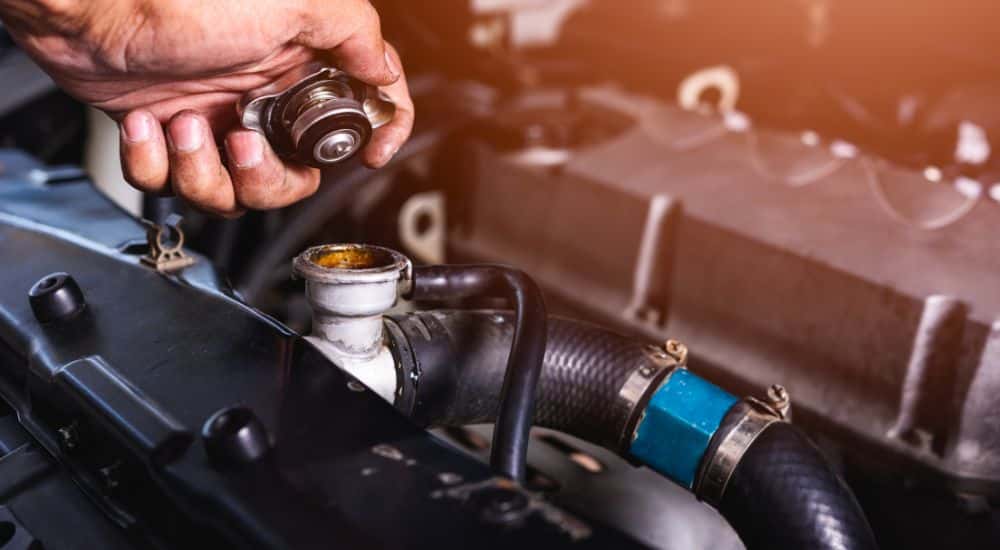
Preventative Maintenance With a Team You Can Trust
What’s the best way to prevent radiator issues? How can you ensure your engine is cooled correctly and prevent costly repairs or catastrophic damage? The answer is right in front of you.
As a full-service automotive center, Loganville Ford is honored and excited to partner with you every mile and adventure ahead in Lawrenceville and beyond. Our factory-trained and certified technicians will handle all your routine maintenance and service needs, including regular inspections that ensure the radiator and the rest of the cooling system are clean and operating correctly.
These routine inspections are the first step in preventive maintenance, giving your car the TLC it deserves and ensuring you get the most from your investment. Moreover, trusting our service team guarantees an extraordinary experience, where you can expect to be treated like family and your car like it’s one of our own. It’s how automotive service should be: transparent, efficient, and customer-oriented.
0 comment(s) so far on Keep Your Engine Cool: Radiator Repair Basics