
Can The Weather Hurt Your Tires? Here’s What You Need to Know
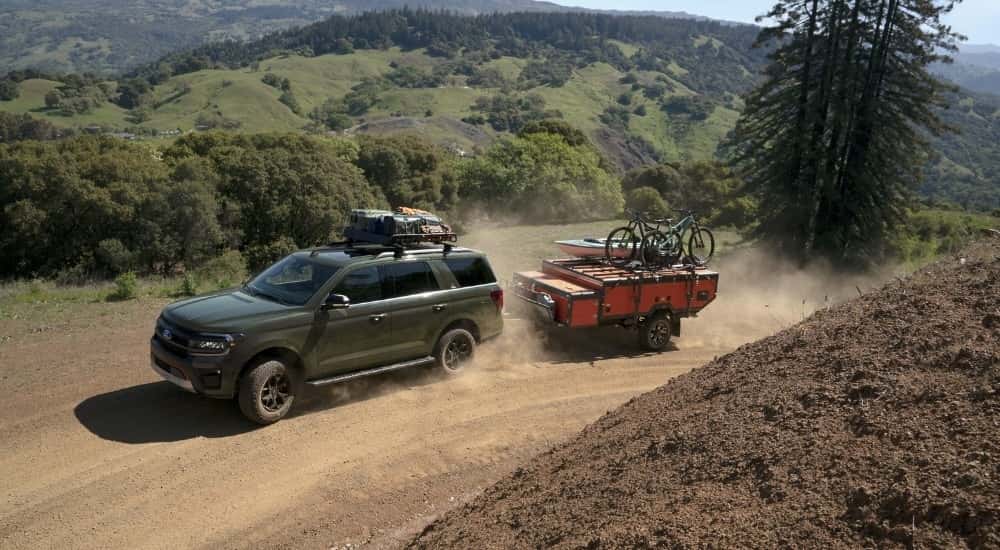
For many people, a change in seasons signals fun and adventure. Summer means beach getaways and lazy pool days; winter means snowy wonderlands and new outdoor activities. However, your vehicle (particularly its tires) experiences the extreme ends of the weather spectrum a bit differently.
That’s because temperature fluctuations can impact your tire pressure and other elements of those important round parts that keep your vehicle moving forward. If you’re looking for a tire shop near Stone Mountain that can set you up with the right tires for each season and educate you on proper tire care, we’ve got you covered here at Loganville Ford.
We have a team of tire experts who know exactly which tires offer the best performance and handling for every season. That being said, even with the perfect tires, high and low temperatures can still wreak havoc on your rubber. It’s important to know what signs to look out for that indicate it could be time to adjust your tire pressure or come see us for new tires. Let’s dive into how extreme weather impacts your tires.
How Heat Impacts Tires
Ah, summer. It’s time to grab a cold drink and inflate some floaties. But while you’re busy putting air in that flamingo lounger, your tires are undergoing some different, less desirable air pressure changes. The good news is that hot temperatures won’t melt your tires (that’s a myth, so don’t believe those images of rubber stuck to the pavement). But it does lead to some other issues.
High Tire Pressure Can Cause Uneven Wear and Tear
We’ll spare (pardon the pun) you the science lesson and trust that your middle school teachers handled that. But, put simply, air expands in hot weather, resulting in more pressure inside your tires. In fact, the general rule goes that for every 10 degrees the temperature rises, your tire pressure will increase by roughly 1 PSI. That may not sound like much, but if you last set your tires to 36 PSI on a cool spring day, your tires could be over 40 PSI when the summer heatwave hits.
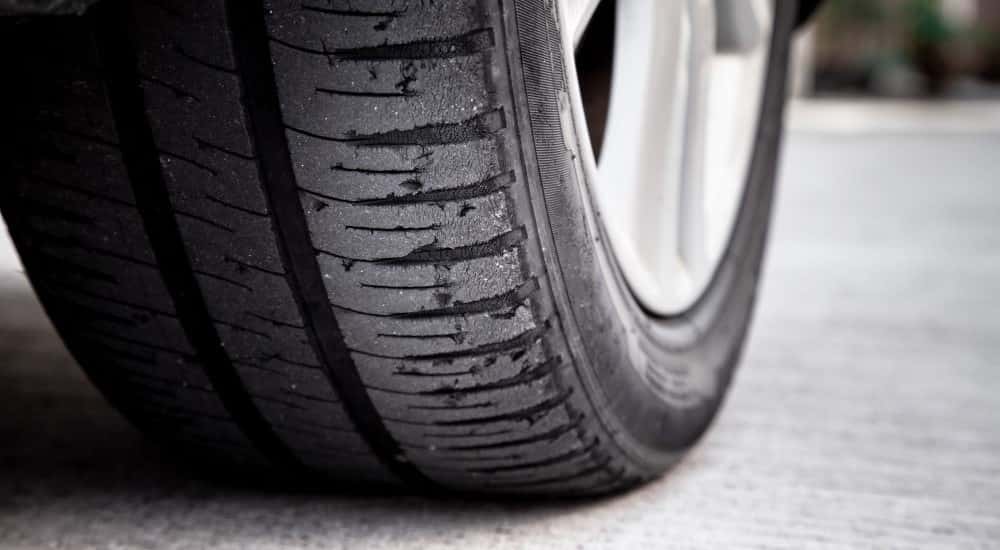
When one or more of your tires become overly inflated, they can experience wear and tear at a different rate than the other tires. And that can impact things like handling and stopping distance, making it harder to steer and giving you less braking control. Tires that wear down unevenly also just won’t last as long as those that wear down at the same rate.
High Tire Pressure Can Also Lead to Blowouts
The trouble doesn’t stop there. Overinflated tires increase your risk of blowouts. All of that extra pressure in there puts stress on the rubber and negatively impacts its flexibility. If you encounter an unexpected impact, say from hitting a curb or going over a pothole, overinflated tires are less equipped to handle it and might blow out.
Rubber Degradation Can Impact Grip
When temperatures rise, a couple of things can happen to your tires that decrease their grip on the road. Hot air can lead to high air pressure, which can stiffen your tire’s sidewalls. When the sidewalls are too stiff, they won’t bend and meld to irregularities in the road, which is how they provide you with a good grip. Then, there’s another issue: the rubber can degrade. While your tires won’t melt, high temperatures can cause cracking and bubbling that negatively impact grip.
Heat Can Cause Your Tread to Detach
During the summer, your tire tread is in a double-sided hot seat (literally!). It’s dealing with hot air inside and facing the hot ground beneath it. Together, these two elements create the perfect conditions for the tread to begin to detach from the underlying layers. High temperatures can damage the bonds holding your tire tread to the rest of your tire. When this happens, you can lose control of your vehicle because the grip goes out the window.
You can’t control the weather, but you can take preventive measures. Your first line of defense in the summer is a solid set of all-season tires. Given the relatively mild year-round weather in Stone Mountain (minus some smoldering summer days), all-season tires are an excellent choice for the area. It’s also important to regularly check your tire pressure, adjust it when necessary, and look for signs of wear and tear.
How Cold Weather Impacts Tires
While snow rarely falls in Stone Mountain, temperatures can still get low in the wintertime, and cold weather affects tire performance. While you might not have an opportunity to break out the sleds and skis, you can still see your breath in the air, and that’s when you know it’s time to check your tires.
Low Temperatures = Low Fuel Efficiency
Trying to save on gas? Apps that show you where the best prices are, and store rewards programs are a great start. But you should also be watching your tire pressure if you’re watching your bank account. Low temperatures cause tires to deflate—expect an average 1 PSI drop in pressure for every 10-degree Fahrenheit drop.
When tires are underinflated, your engine has to work harder to propel your vehicle forward, leading to poor fuel efficiency. Cold temperatures work fast, too. Your tire pressure could be ideal when you go to bed, but if temperatures drop really low during the night, your tires could be underinflated by the morning.
Stiff Rubber = Low Traction
Cold temperatures and the resulting low air pressure can impact traction. They just impact it in a different way than high temperatures do. Cold weather can cause the rubber to become stiff, and you want your rubber soft(ish) and malleable so that it can grip the surfaces you drive over. That’s why folks who get extreme winter weather need snow tires designed to stay flexible, even on icy, cold streets.
Low Traction + Rainy Weather = A Big Problem
While rain itself doesn’t impact your tires, you definitely want properly inflated, quality tires when the rain arrives. When those spring and summer showers fall in Stone Mountain, it’s important that your rubber is ready. If cold weather has reduced the grip of your tires, you won’t be as prepared to handle wet roads, and that can cause dangerous situations like hydroplaning and sliding.
Uneven Wear and Tear
Just as tires can wear down unevenly if they’re overinflated, the same can happen if they’re underinflated. Cold temperatures might cause just one or some of your tires to suffer from low pressure, but not the others. So, you could find yourself having to replace your tires sooner than expected.
Prepare for the Four Seasons With Proper Tires (and Tire Inspections)
When it comes to how extreme temperatures impact your tires, it really comes down to two things: air pressure fluctuations and how hot or cold temperatures affect the pliability of your rubber. When the summer or winter arrives, be sure to check your tire pressures regularly and look for signs of wear and tear. Our tire experts here at Loganville Ford would be glad to perform these inspections for you and put the ideal tires for the season on your vehicle. With the proper tires and regular inspections, you’ll have the traction and fuel efficiency you need to power all of your seasonal adventures!
0 comment(s) so far on Can The Weather Hurt Your Tires? Here’s What You Need to Know