
Answering Your Top Questions About Tire Repairs
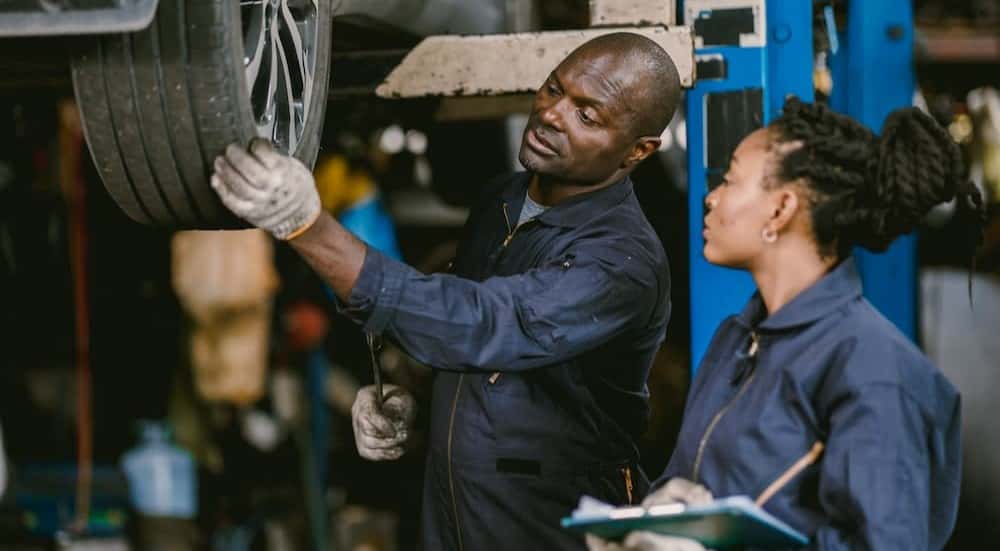
No one really likes it when something on their vehicle needs to be repaired, but this is inevitable when it comes to vehicle ownership. Vehicles tend to need more frequent maintenance for their tires, as the tires are what anchor a car to the roadway and experience more wear and tear compared to other parts. This is something that you’ll need to take very seriously, considering tires play a major role in your safety, and when you’re in need of a tire shop near Conyers, Loganville Ford is it. From when to repair a tire to what type of damage requires total replacement, let us help you with all your tire repair needs. We’re answering some of your top questions today to help you learn what you need to know about tire repairs.
Q. When Can You Repair a Damaged Tire?
A. Whether you’ve hit a rough patch of road or run over a nail in a parking lot, if your tire becomes damaged, you’ll need to figure out whether you can repair it. Typically, it all depends on how big of a puncture it is and where it’s located. Generally, if a puncture measures smaller than ¼ inch in diameter and is located on the tire’s tread, a simple repair can do the trick. If there are multiple punctures, you may be able to repair them as well; however, it’s important to note that the punctures need to be at least 16 inches apart from each other. If there are more than three punctures or they’re close in proximity, a replacement will be needed to remedy the situation and promote safe travels throughout Conyers.
Q. How Much Tire Damage Is Too Much?
A. The typical culprits of tire damage include nails, broken glass, bad road conditions, debris on the road, and other obstacles, like a pesky curb that came out of nowhere. The good news is that in many cases, small punctures can be repaired; however, there are instances where this is not an option. If you have a puncture that is greater than ¼ inch in diameter or multiple punctures that are close together, a new tire will be needed. It’s important to note that not all parts of your tire can be repaired, so if you happen to have a puncture in the tire’s sidewall or shoulder, a new tire will be needed. The sidewall is the vertical part that lies between the road and the wheel, while the shoulder is where the sidewall and tread area connect.
Q. How Long Can You Drive With a Patched Tire?
A. You may be wondering how long you can drive around Conyers with a patched tire, thinking that it’s only a matter of time before the patch can’t do its job anymore. Fortunately, a properly patched tire can last you until it’s time to naturally replace your tires. Having your tire repaired at our tire shop means you won’t have to worry about it again, with patches lasting anywhere from seven to ten years. The caveat is that you can only patch the same place once, so if you happen to puncture it again in the exact same place (what are the odds, right?), you’re going to need a new tire.
Q. Can You Drive on a Flat Tire?
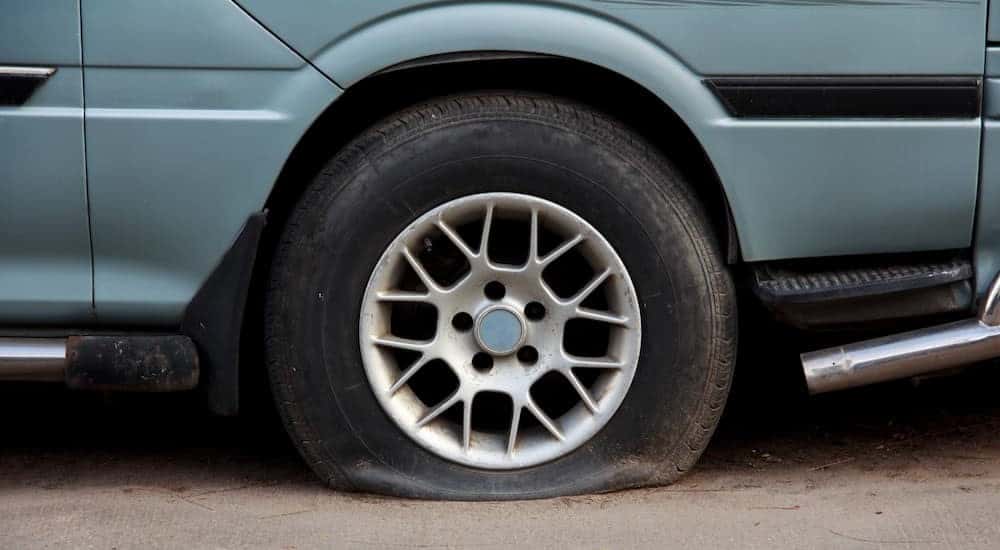
A. What harm can it really do to cruise down the Old Covington Highway with a flat tire? Even if it’s just a little flat, your tire has been compromised, and so has your ride. Not only does this make for an incredibly unsafe driving experience for you and those traveling around you, but it can also lead to additional wear and tear on your vehicle. You not only risk even more tire damage, but also damage to your suspension, as well as putting yourself at greater risk of a tire blowout. As soon as you suspect a flat, you’ll want to arrange for a repair so that you’re not driving on it and causing more damage or affecting the safety of fellow travelers.
Q. Can You Replace Just One Tire If It Can’t Be Repaired?
A. If just one tire is damaged and can’t be repaired, do you really have to get a whole new set of tires? The answer can be complex. It is generally advised to replace your tires in pairs on rear-wheel drive and front-wheel drive vehicles and replace all four on all-wheel drive cars. This is because replacing just one tire results in uneven wear and tear as you drive. Being that your other tires are wearing at a pretty even rate and a new tire has more tread on it compared to the older tires, this can affect your vehicle’s performance, ride quality, and traction control. In the best-case scenario, you’ll want to replace all four tires so that they are all the same quality; however, that’s not always in the budget. It’s best to consult with one of our professionals on this, as we will let you know the best option for your car and your driving habits to allow for the safest, most comfortable ride as you make your way around Conyers.
Q. What Goes Into a Tire Repair?
A. Your tire should be removed from the vehicle and carefully inspected to check the scope of the damage, ensuring that there’s not more damage than meets the eye in areas that can’t be patched. Then, the tire will be taken off the wheel. A rubber plug will be placed into the puncture to fill in the hole while a patch is applied on the inside to seal it in place. Finally, the tire will be placed back on the wheel and rebalanced for a smooth ride. Some drivers believe that just plugging up the puncture from the outside will fix the issue, but it must be properly sealed to ensure that the plug remains in place and continues to do its job properly.
Q. Should You Complete a Tire Repair Yourself?
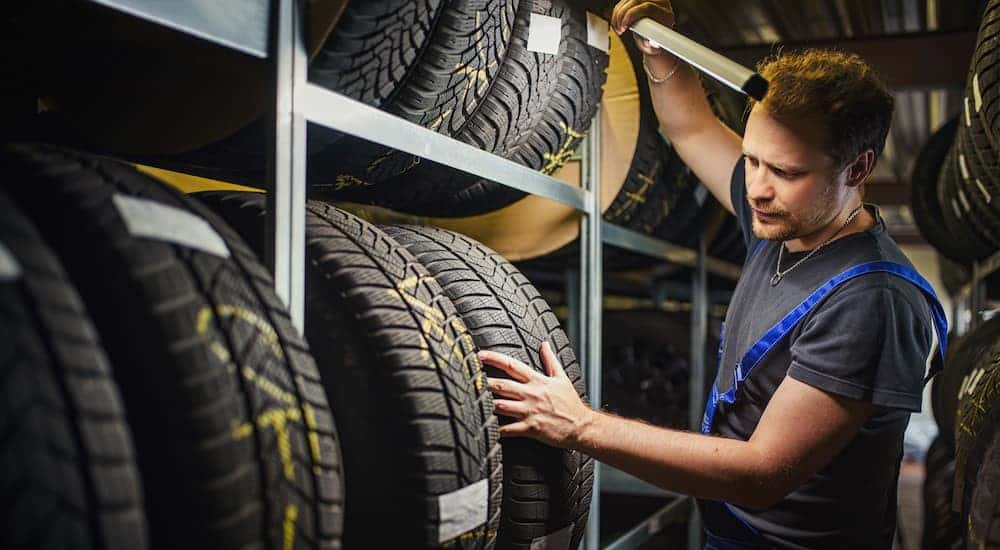
A. You may be thinking that it can’t be too hard to plug up a hole in your tire and be on with your day, but there’s more to it than that. Proper sealing is imperative to ensure that your tire maintains its integrity, and if you’re not well-versed in how to repair a tire, you risk improper patching, which can affect the control and safety of your ride. Further, because removing a tire from the wheel and then reassembling it requires a fully equipped tire shop, DIY tire repair kits are only designed to plug the puncture from the outside. This is why it’s recommended to partner with a trusted service center to ensure that this very important part of your vehicle is repaired properly, allowing you to have maximum assurance as you make your way around town.
Stay Safe With Well-Maintained Tires
You want to be sure that any repairs made to your vehicle are performed properly. You’re not repairing a squeaky door hinge in your home. This is your vehicle, the mode of transportation that safely gets you everywhere you need to go in Conyers and beyond. This calls for proper repairs and maintenance, which means a respected service center is recommended to ensure you’re taking care of your trusted travel companion.
Taking your vehicle to a professional will help determine if it’s safe to repair your tire or if a new set is required. It will also ensure that if it can be repaired, it’s done to top-quality standards so that you’re safe on the road, as is everyone else who’s traveling alongside you. Remember, a blowout has the potential to affect not just you but other travelers, which is the last thing you want to be responsible for. Do the right thing and pair up with a tire shop that can repair or replace your tires so that you can travel forward with optimal peace of mind.
0 comment(s) so far on Answering Your Top Questions About Tire Repairs